



Windows Open, Laughter In: How Physical Education Grants Keep Warwick Kids Moving
October 14, 2026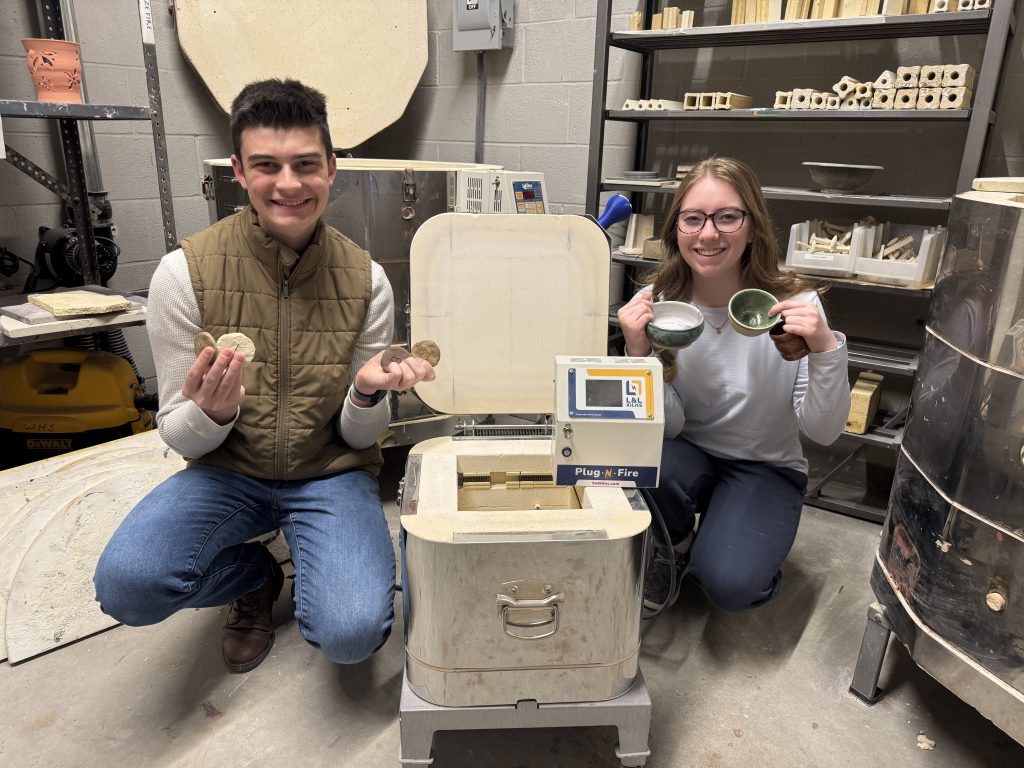
“Let’s Try”: How a Test Kiln Turned Warwick High School Ceramics Into a Glaze Chemistry Lab
What happens when students are given room to experiment, adjust, and try again?
In ceramics, patience is part of the process. A piece is shaped, then dries, then waits its turn in the kiln. Only after firing does a student see whether a glaze turned out the way they imagined. Warwick High School art teacher Nate Nixdorf describes it as a class where time moves slowly, and that rhythm can make every project feel “precious.” As he puts it, “much of the time students have one shot to get something right in the kiln.”
This past school year, the “Test Kiln for Igniting Glaze Chemistry” grant gave his students more than one shot. The small-capacity test kiln let ceramics students quickly try glazes and clay blends before committing them to a finished piece.
A studio that works like a lab
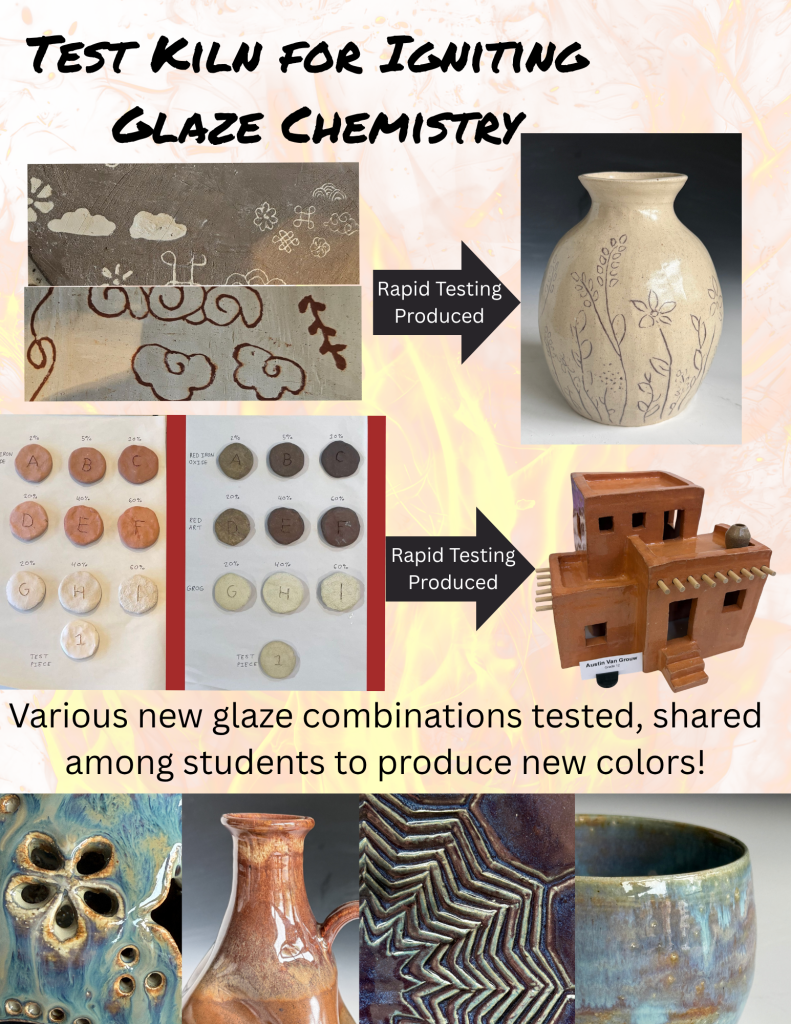
Glazes and clay mixtures are chemistry. A small change in ingredients or proportions can shift color, texture, and finish in hard-to-predict ways. With the test kiln,students could run those experiments on small tiles and see the results in a fraction of the time it took with the large kiln.
In one set of tests, students worked through a grid of lettered tiles, varying red iron oxide from 2 to 10 percent and blending in different proportions of Red Art clay and other materials to see how each change affected the fired result. Successful combinations didn’t stay with one student. They were shared around the studio, where classmates used them to create new colors of their own.
That’s exactly the experience the grant set out to create: chemistry, problem-solving and artistic creativity coming together in one project.
Next-day answers
No one put the kiln to work more than Austin Van Grouw. A Ceramics 3 student with a clear aesthetic end goal in mind, Austin mixed glazes and clays from scratch and tested them again and again. Because the test kiln could fire small batches quickly, he could adjust the next day and fire again. Sometimes he completed several rounds of testing in the time it took the studio’s large kiln to finish a single firing.
Confidence in the final piece
Being able to check a glaze or texture before committing to it “significantly impacts their final results, as well as their confidence,” Nixdorf says. Students see what works before it matters most, and they approach their finished pieces with a plan rather than a guess.
The kiln has helped behind the scenes, too. Small test firings no longer need to go into the large kilns, so those kilns aren’t run half-empty or rushed, which reduces wear and tear on equipment the whole program depends on.
For Nixdorf, the biggest change is the mindset in the room. “The kiln had us saying ‘let’s try it,’ instead of ‘let’s hope this works.'”
Room to experiment
Warwick Education Foundation Innovative Education Grants are made possible by community members who believe Warwick students deserve the chance to explore, test, and discover. Here, a $1,880 grant gave (and continues to give) the ceramics studio freedom to experiment and the confidence that comes with it.
Want to help fund more hands-on learning tools for Warwick students? Visit warwickef.org/support.