

Designing the Future: Warwick Students Compete on a National Stage
April 22, 2026
They Were Already Waiting
June 4, 2026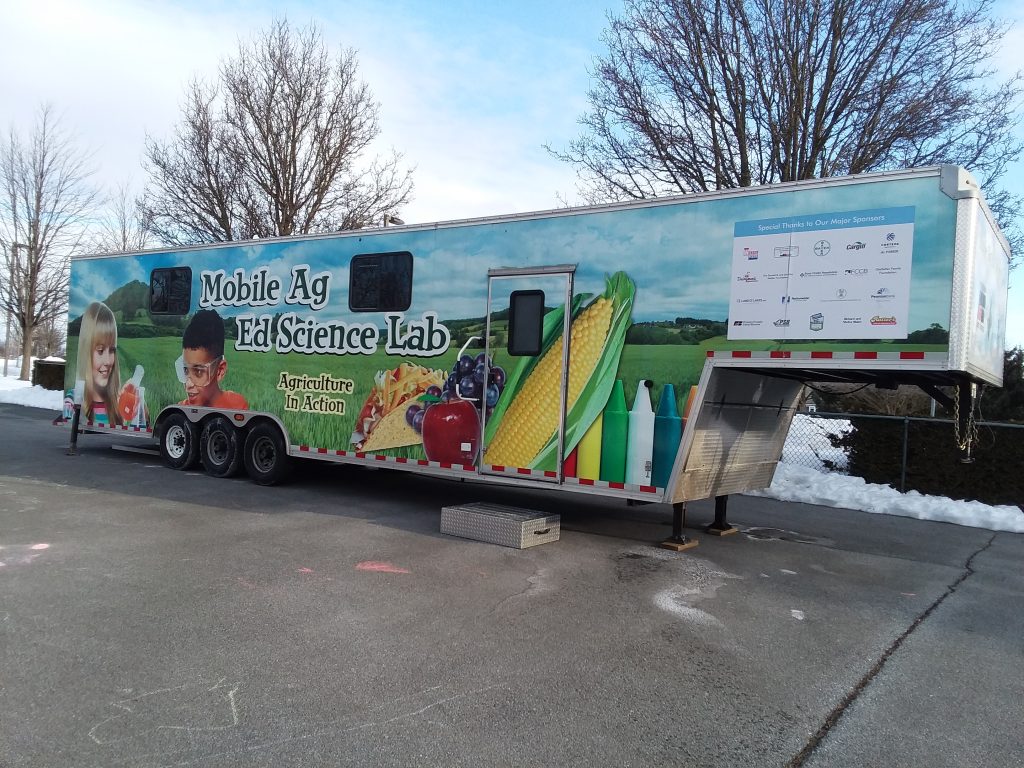
A Field Trip Without the Bus: How the Mobile Ag Lab Brings Science to Life Across Warwick
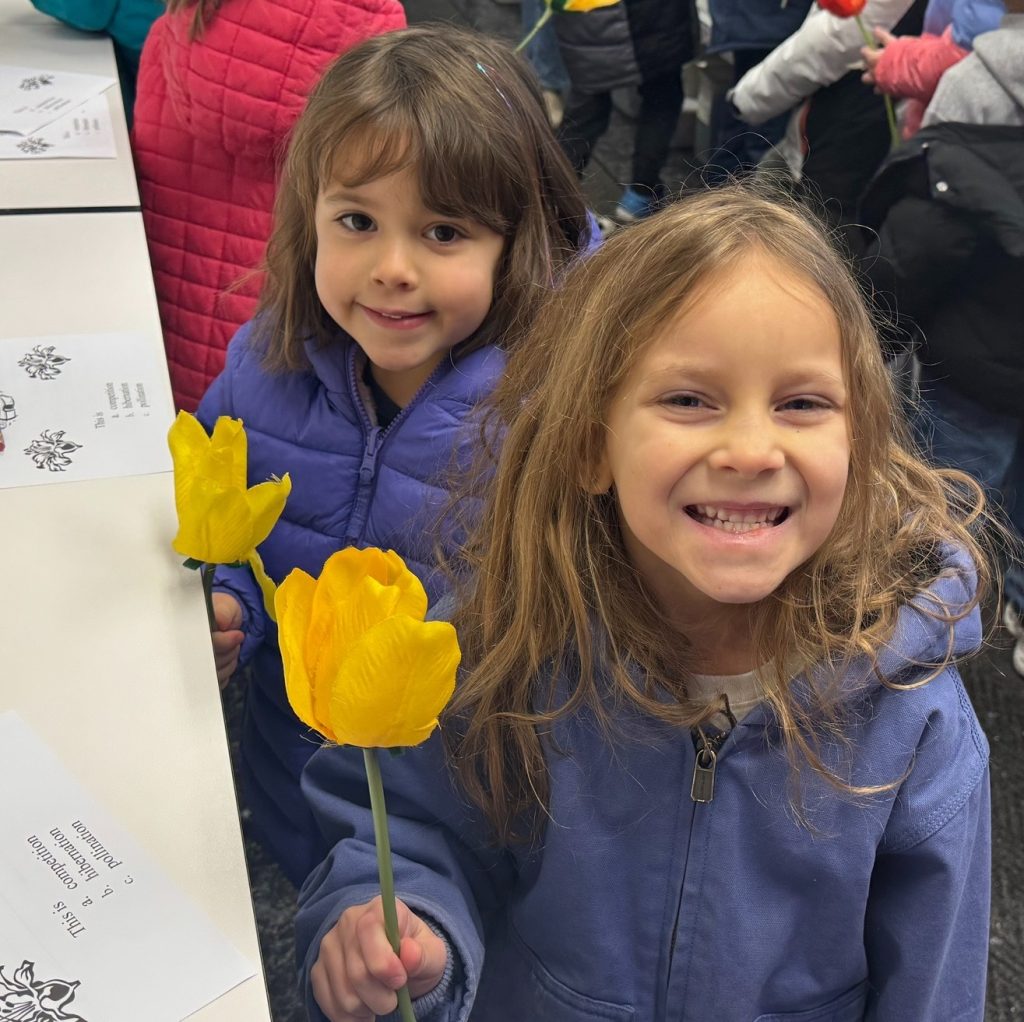
A brightly colored 40-foot science classroom sat outside Bonfield Elementary. The door opened, and a line of second-grade students spilled out with fists full of flowers.
Not just any flowers. Flowers that they had “pollinated” as part of a lesson on why bees matter. As Bonfield Bees, they already knew the mascot. Now they knew the science behind it.
That moment is exactly what the Warwick Education Foundation’s Mobile Agriculture Education Science Lab grant was designed to create.
This school year, the grant funded visits from the Mobile Ag Lab, a fully equipped 40-foot STEM classroom with more than 30 hands-on experiments. The lab on wheels spent a week at all four of Warwick’s elementary schools. Every student in kindergarten through sixth grade had the chance to step inside.
No buses. No permission slips. Just science, right in the parking lot.
“A grant like this reaches close to every elementary student in the district at once,” said Barb Mobley, Executive Director of the Warwick Education Foundation. “That kind of reach is rare, and we were thrilled to make it happen.”
The idea started at John Beck Elementary, where the school’s PTO had previously funded Mobile Ag Lab visits on their own. Sixth-grade teacher Allison Bernstein saw an opportunity to do something bigger. After being asked to help write Warwick’s new Science, Technology & Engineering, and Environmental Literacy & Sustainability (STEELS) curriculum, which includes agricultural and environmental standards, she started making calls.
“I thought this would be a great fit for ALL buildings,” Bernstein said. “Once I got a few of my colleagues from the different elementaries on board, we were able to collaborate and write the grant.”
Each grade level was paired with lessons directly tied to the new STEELS standards. Second graders, for example, explored pollination. Sixth graders tackled something more surprising: they made plastic. Using corn-based materials, they created their own small piece of plastic and watched it harden. Then they watched packing peanuts, some biodegradable, some not, dissolve at different rates.
“They were amazed to see how one set of packing peanuts disintegrated, while the other didn’t,” Bernstein said. “I could see their wheels spinning.”
Jacki Watkins, a teacher at Bonfield, had seen the Mobile Ag Lab work in a previous district and was eager to bring it to Warwick students. What struck her most wasn’t just the experiments; it was what happened after.
“I described it to my students as a field trip without needing the bus. They loved that idea.” — Jacki Watkins, Bonfield Elementary
At Warwick, science instruction follows a model called the 5Es: Engage, Explore, Explain, Elaborate, and Evaluate. The Mobile Ag Lab covered the first three in a single visit and gave classroom teachers a natural launching point for the last two.
“Once teachers have had an opportunity to experience it more than once, they can more strategically see how to extend the learning opportunities within their classroom,” Watkins said.
That continuity is part of what makes this grant so valuable. For many of these students, it was their first encounter with the idea that plastic can be made from corn or that a single bee affects an entire ecosystem. Those aren’t abstract concepts anymore. They held the evidence in their hands and carried it home.
“None of this happens without the donors and community members who believe in what Warwick students can do,” Mobley said. “We’re so grateful for their support.”
We’re already looking forward to seeing what next year’s students discover inside that big, colorful classroom.
Learn how you can support Warwick students here.
****